
Immediate Steps to Take
In the aftermath of a car accident, ensuring safety is your top priority. Check yourself and others involved for injuries, and seek medical attention if necessary. If it’s safe to do so, move your vehicle out of the way of traffic to prevent further accidents. Activate your hazard lights to signal other drivers of the situation.
Once everyone is secure, exchange essential information with the other driver, including names, phone numbers, and insurance details. Be sure to record their insurance provider and policy number. If there are witnesses, ask for their contact information, as their statements may support your claim later on.
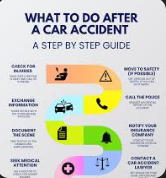
Avoid discussing or debating fault at the scene. Conversations about responsibility can lead to misunderstandings or issues with your insurance claim. Instead, focus on gathering the necessary details calmly and clearly.
Gathering Information
Accurate and thorough documentation is crucial after a car accident. Start by noting the time, date, and exact location of the incident. Identify any landmarks, street names, or intersections that may be relevant. If there are visible signs of damage to the vehicles involved, write down specific details, such as scratches, dents, or broken parts.
When speaking with the other driver, document their name, address, and phone number in addition to their insurance information. If they seem hesitant to provide these details, remain calm and polite, as it’s important to stay composed during the process. Similarly, make sure to write down the names and contact details of any passengers in the other vehicle.
If you notice nearby witnesses, politely ask them for their contact information and a brief account of what they observed. Witness statements can help clarify details and may support your case if the facts are disputed.
Use your phone or a notepad to write down any information you might need later. For example, take note of any comments made by the other driver about the events leading up to the accident. This can provide context during the claims process.

Take clear, high-quality photos of the vehicles and their positioning at the scene. Include any damage to both cars, skid marks, debris, or other elements that might help establish the cause of the accident. Documenting road conditions, weather, and lighting at the time of the accident can also provide valuable context.
In addition to the vehicles and the scene, take photos of any visible injuries to yourself or others involved. These images may help demonstrate the severity of the accident and the extent of damages during the insurance claims process.
Another important step is to look for relevant signs or signals nearby. A missing stop sign, malfunctioning traffic light, or unclear road marking can contribute to an accident and may be important in determining fault.
If law enforcement is called to the scene, ask for the responding officer’s name and badge number. Request a copy of the accident report or ask how to obtain it once it’s completed. Police documentation can serve as a reliable record of the incident and may strengthen your case.
Contacting Your Insurance Company
Reaching out to your insurance provider is a key step after gathering all the necessary details about the incident. Make sure you have all relevant information on hand, such as the other driver’s insurance details, witness contact information, and any photos or documentation you’ve collected from the scene. This will help streamline the reporting process and ensure you can provide clear, accurate information.
When speaking with your insurer, provide a factual account of the accident, including the time, location, and circumstances surrounding the event. If you have already obtained a copy of the police report or were given instructions on how to access it, let your insurer know, as they may request a copy during the claims process. Be sure to also mention any injuries you or others sustained, as this could influence how your claim is handled.
Your insurance provider may ask specific questions to gain a better understanding of what happened. Answer these as accurately as possible, and don’t hesitate to clarify if you’re unsure about certain details. If you’ve already documented any initial expenses, such as medical bills or towing fees, be ready to share these with your insurer, as they may be covered under your policy.
It’s common for your insurer to assign a claims representative to guide you through the next steps. Take note of their name and contact information, as you’ll likely need to communicate with them throughout the process. They may request additional documentation or updates, so staying in regular contact can help ensure your claim is processed in a timely manner.

During your conversation, confirm the time frame for reporting the accident, as some policies may have strict deadlines for filing claims. Additionally, ask about any specific forms or evidence required to complete the process. This will help you stay organized and avoid potential delays in getting your claim resolved.
If you’re unsure about any part of the process, take the opportunity to ask questions. For example, inquire about whether a deductible applies, what types of coverage are available for repairs, and how long it typically takes to process claims like yours. Understanding what’s expected of you can help you stay prepared as the situation progresses.
Understanding Your Policy
To make informed decisions after a car accident, it’s important to take some time to review your auto insurance policy. This document outlines the types of coverage you have, including liability, collision, comprehensive, medical payments, or uninsured/underinsured motorist coverage. By reviewing these details, you can better understand what financial protections are available to you and how your policy applies to the situation at hand.
Pay close attention to your deductible amounts, as this is the portion you’ll be responsible for paying before your insurance coverage applies. Deductibles can vary depending on the type of claim being filed, so it’s helpful to know what costs you might need to cover upfront. Additionally, review your policy limits to ensure you’re aware of the maximum amount your insurer will pay for damages or injuries.
Some policies include optional benefits, such as roadside assistance or rental car reimbursement. If these apply to your coverage, it can be helpful to understand how to access them and whether they come with any restrictions or additional costs. For instance, rental car coverage may have daily or total limits that you’ll want to factor in while arranging transportation.
Your policy may also include specific exclusions or conditions that could impact your claim. Examples might include damages caused by certain events, like natural disasters, or if you were using the vehicle for commercial purposes at the time of the accident. Knowing these details can help you anticipate any potential obstacles during the claims process.
If you have questions or need clarification about any part of your policy, don’t hesitate to reach out to your insurance company. A customer service representative or your assigned claims adjuster can explain the terms and provide guidance tailored to your situation. Some insurers also offer online tools or mobile apps that allow you to review your policy details, making it easier to access important information when you need it most.
Lastly, keep in mind that some coverage options may vary based on state regulations. States often have minimum insurance requirements, but your policy might include additional coverage beyond the mandated levels. Understanding how state laws intersect with your policy can help you navigate the claims process more effectively.
Working with Adjusters
After filing your claim, an insurance adjuster will likely contact you to assess the details of the accident and evaluate the damages. Their role is to investigate the claim and determine the extent of your coverage. Be prepared to provide all the documentation you’ve gathered, including photos, witness information, and any receipts for initial expenses related to the accident, such as towing or temporary repairs.
The adjuster may schedule an inspection of your vehicle to document the damage firsthand. It’s helpful to ensure your vehicle is accessible and clean to make the inspection process smoother. If the adjuster needs additional information, such as repair estimates or police reports, respond promptly to keep the process moving efficiently.
During discussions with the adjuster, stick to the facts about the accident and avoid making assumptions or speculating about fault. If they have specific questions about the incident, answer them directly and provide clear, concise responses. This will help prevent any confusion or misinterpretation of the events.
Depending on the nature of your claim, the adjuster may also request to speak with witnesses or review other evidence you’ve documented. Cooperating fully and remaining transparent can help establish credibility and ensure your claim is processed accurately.

While the adjuster’s primary responsibility is to represent the insurance company, they are also there to help clarify your coverage and the next steps in the claims process. If you’re unsure about any part of their assessment or recommendations, don’t hesitate to ask for explanations. They can also provide guidance on whether the damages fall within your policy limits or require additional approvals.
If your vehicle requires repairs, the adjuster may recommend specific repair shops or provide a list of approved facilities. Be sure to ask whether using a particular shop is required to guarantee coverage under your policy. Additionally, you may inquire about the timeline for claim approval so you can plan for repairs accordingly.
It’s important to keep track of all correspondence with your adjuster, including phone calls and emails, for your records. Document the date and details of your conversations to help you stay organized and reference key points if needed later. Maintaining open communication with your adjuster will make it easier to address any questions or unexpected developments during the process.
Repairing Your Vehicle
After your claim has been processed, the next step is addressing the necessary repairs for your vehicle. Start by reviewing the repair recommendations provided by your insurance company. Many insurers maintain a network of preferred repair shops, which can simplify the process and may offer benefits such as guaranteed workmanship. However, if you have a specific repair shop in mind, confirm with your insurance provider whether they will cover the costs at a non-network facility.
Before any work begins, obtain a detailed estimate from the repair shop. Share this estimate with your insurance adjuster to ensure all repairs are authorized under your policy. This can help avoid unexpected out-of-pocket expenses and clarify what portions of the work are covered. If there are any disagreements about the estimate, your insurance company may work directly with the repair shop to resolve the issue.
During the repair process, stay informed about the progress. Some repair shops provide updates via email, text, or phone, which can help you plan for when your vehicle will be ready. If additional damage is discovered during the repairs, the repair shop will likely notify your insurance company to request approval for covering the extra costs. Be sure to follow up on these updates to prevent delays in completing the repairs.

Once the work is finished, inspect your vehicle thoroughly before accepting it. Check that all the agreed-upon repairs have been completed and that the vehicle is functioning as expected. Pay close attention to areas that were damaged to ensure they’ve been properly restored. If anything seems incomplete or incorrect, notify the repair shop immediately so adjustments can be made.
If your insurance company or repair shop provides warranties for the work, ask for the warranty documentation and keep it for future reference. This can give you peace of mind in case issues arise later related to the repairs.
While your vehicle is being repaired, you may need alternative transportation. If your policy includes rental car reimbursement, review the details to understand the daily or total limits and make arrangements accordingly. Keep all receipts for rental expenses, as your insurance company may require them for reimbursement.
Keeping organized throughout this process can make everything run more smoothly. Maintain records of all repair-related documents, including estimates, receipts, and correspondence with the repair shop and your insurer. By staying involved and proactive, you can ensure your vehicle is repaired efficiently and returned to a safe, roadworthy condition.