
Understanding High-Risk Homes
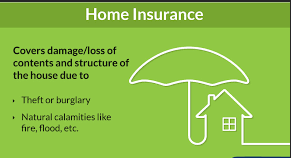
Homes classified as high-risk often present unique challenges due to their location, structure, or history. These properties may be situated in areas with a higher likelihood of natural disasters, such as hurricanes, tornadoes, or severe storms. In some cases, the home’s age or design may contribute to its classification, especially if it requires updates to meet modern safety standards. For example, homes with outdated electrical systems or roofing materials might be more vulnerable to damage during adverse conditions.
Properties located near bodies of water or in regions with significant wildfire activity are often labeled high-risk as well. Similarly, homes in areas with higher crime rates might face increased exposure to theft or vandalism. Insurers assess multiple factors to determine the risk profile of a home, and understanding what places your property in this category can help guide your search for suitable coverage.
Additionally, the maintenance and condition of the home play a critical role. If routine upkeep has been neglected, issues such as plumbing leaks or structural weaknesses can elevate the property’s risk level. Homeowners should evaluate these aspects before seeking insurance to identify potential improvements that could mitigate risks and possibly reduce premiums.
Lastly, local regulations and zoning laws might also impact a home’s risk designation. In some regions, stricter building codes or enhanced safety measures are required for homes in high-risk zones. These requirements can influence the type of insurance coverage you’ll need to adequately protect your property. Homeowners should stay informed about any regional factors that could affect their coverage options.
Types of Home Insurance Policies
High-risk homes often require more specialized insurance policies compared to standard options. While a traditional homeowners insurance policy provides protection against common risks such as fire, theft, and certain weather-related damage, it may not adequately cover the unique vulnerabilities of high-risk properties. Specialized policies or additional endorsements are designed to address the specific challenges these homes face, offering broader protection for scenarios like flooding, hurricanes, or wildfires.
For properties in flood-prone areas, flood insurance is typically a necessity, as standard home insurance policies exclude coverage for water damage caused by flooding. Similarly, for homes located near fault lines, earthquake insurance may be essential to safeguard against structural damage resulting from seismic activity. Windstorm insurance might also be required in regions susceptible to hurricanes or tornadoes, providing coverage for damages caused by high winds and debris.
In addition to hazard-specific policies, high-risk homeowners can explore surplus lines insurance. This type of policy is offered by insurers that specialize in covering non-standard risks, making it a valuable option for properties that may not qualify for traditional insurance. Although these policies can be more expensive, they often provide tailored coverage that meets the needs of high-risk homes.
It’s also worth considering umbrella insurance, which provides additional liability protection beyond the limits of a standard policy. This can be particularly beneficial for homeowners in areas with higher liability risks, such as properties with pools or other attractive nuisances.
Evaluating Coverage Needs
When evaluating coverage needs for a high-risk home, start by identifying the potential threats unique to your property. Homes in regions prone to hurricanes or tornadoes, for instance, may require policies that include windstorm protection. Similarly, if your property is located in a floodplain, you’ll likely need separate flood insurance, as this is not included in standard policies. For homes near wildfire-prone areas, additional coverage specific to fire damage is often necessary. Each of these risks requires careful consideration to ensure your home and belongings are fully protected.
The value of your home and the cost to rebuild it should also guide your decision. Replacement cost coverage is a key component of a robust policy, ensuring that if your home is destroyed, you can rebuild it to its original state without facing out-of-pocket expenses for material or labor increases. Additionally, you’ll want to account for the value of personal belongings, such as furniture, electronics, and clothing, in your coverage limits.
If your property has unique or high-value features, such as custom finishes or rare materials, additional endorsements may be required to fully insure these aspects. Certain items, such as antiques or high-end appliances, may need specialized coverage to ensure they’re protected beyond the limits of a basic policy.

Liability coverage is another essential component to consider, especially if your property includes amenities like a swimming pool or large yard where accidents could occur. Standard liability limits might not provide adequate protection in the event of lawsuits or medical expenses stemming from injuries on your property, so evaluating higher limits or umbrella policies can offer additional peace of mind.
Finally, pay attention to deductibles, which determine how much you’ll pay out of pocket before your insurance covers damages. Choosing a higher deductible can reduce premiums but may not be practical for everyone, especially in areas with frequent claims. Balancing this with comprehensive protection is key to aligning your policy with your specific needs.
Comparing Insurance Providers
When evaluating insurance providers for high-risk homes, it’s essential to focus on their experience and expertise in handling properties with elevated risk factors. Providers with a history of offering coverage for high-risk homes are more likely to understand the unique challenges associated with insuring these properties and may offer tailored options to meet your specific needs.
Check the provider’s track record for claims processing, particularly in high-risk situations such as natural disasters. Timely and efficient claims handling is crucial for homeowners who may already be dealing with significant losses. Reading customer reviews and testimonials can provide valuable insight into the provider’s responsiveness and overall service quality.
Additionally, compare the range of coverage options offered by different insurers. Not all companies include the same endorsements or offer policies for risks like floods, wildfires, or earthquakes, so ensuring their products align with the potential hazards in your area is vital. Pay attention to any exclusions or limitations that might leave your property vulnerable.
Pricing should also be examined closely. Obtain multiple quotes to understand how premiums vary across insurers, but don’t base your decision solely on cost. Consider what is included in each policy and whether higher-priced options offer better protection or added benefits that justify the expense.

Look for companies that offer flexible payment plans or discounts for features that improve home safety. Installing protective measures such as storm shutters, fire-resistant materials, or security systems might qualify you for reduced premiums with certain insurers.
Another key factor is the financial stability of the insurance provider. Companies with strong financial ratings are more likely to remain solvent during widespread disasters, ensuring they can cover claims without delays. Independent rating agencies such as A.M. Best or Standard & Poor’s provide reliable assessments of an insurer’s financial health.
Lastly, consider working with an independent insurance agent who can help you compare multiple providers and policies. Agents can guide you through the complexities of high-risk home insurance and identify the best options for your situation.
Cost Considerations
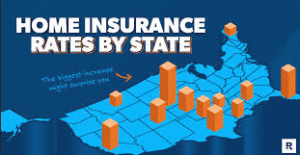
High-risk home insurance premiums are influenced by multiple factors, including the property’s geographic location and its exposure to potential hazards like flooding, wildfires, or hurricanes. Homes situated in areas with a history of severe weather events or high crime rates typically see higher costs due to the increased likelihood of claims. Similarly, older homes or those with outdated systems may require higher premiums to account for their heightened vulnerability to damage.
The construction type and materials used in the home can also play a role in determining premium costs. For example, homes built with fire-resistant materials or designed to withstand strong winds may qualify for lower rates compared to those that lack such features. Modernizing certain aspects of your home, such as installing a new roof or upgrading electrical systems, can often reduce costs, as these updates lower the risk profile of the property.
Insurers frequently offer discounts for proactive measures that enhance safety and security. Installing systems such as smoke detectors, fire sprinklers, and burglar alarms may help decrease your premium. Similarly, homes with reinforced windows, storm shutters, or flood barriers can sometimes qualify for savings. Exploring these potential discounts with your provider is essential when considering ways to manage expenses.

Another important consideration is your policy deductible. Opting for a higher deductible may lower your monthly premium, but this approach should be carefully weighed against the financial impact of paying more out of pocket in the event of a claim. Many providers also offer discounts for bundling policies, such as combining home and auto insurance under the same company, which can provide additional savings.
Regularly reviewing your policy and reassessing coverage needs ensures that you’re not paying for protection you no longer require or missing out on opportunities to lower costs. Consulting with an experienced insurance agent can also help identify potential ways to optimize your premium.
Additional Coverage Options
For high-risk homes, tailoring your insurance policy with extra coverage can help address specific vulnerabilities. Certain areas prone to natural disasters, like floods or earthquakes, often require additional policies to cover these events, as standard homeowners insurance typically excludes them. For example, flood insurance can be critical for properties near rivers or in coastal regions, while earthquake coverage is vital for homes in seismic zones.
In addition to hazard-specific policies, some homeowners may benefit from endorsements that cover unique circumstances or features of the property. For instance, if you have a basement, sewer backup coverage could protect against costly damages caused by plumbing issues. Similarly, extended dwelling coverage can be useful if rebuilding costs exceed your home’s insured value, especially in areas with fluctuating construction costs.
Another important consideration is insurance for valuable personal belongings. If you own high-value items like jewelry, art, or collectibles, adding a scheduled personal property endorsement ensures these items are protected beyond the standard policy limits. This option is especially beneficial for homeowners with unique or rare possessions.

Properties with specialized features, such as solar panels or home-based businesses, may also require targeted endorsements to ensure full coverage. Homeowners with rental properties or those renting out part of their home may need additional liability or loss of use coverage to protect against potential risks associated with tenants.
Finally, coverage for temporary living expenses can be invaluable if your home becomes uninhabitable due to a covered loss. This policy addition can assist with costs like hotel stays or rental accommodations, providing financial relief during the recovery process. These supplemental options can help bridge potential gaps in protection, ensuring your home and lifestyle are better safeguarded against unexpected challenges.
Making an Informed Decision
Selecting the right insurance policy for a high-risk home requires careful consideration of various factors to ensure your property is adequately covered. Begin by assessing the specific risks your home faces, such as natural disasters or structural vulnerabilities, and confirm that potential policies address these concerns. Understanding your home’s unique needs can help narrow down your options and prevent unnecessary coverage gaps.
When comparing providers, examine not only premium costs but also the scope of coverage offered. Look for policies that align with your home’s requirements, and be mindful of any exclusions or limitations that could leave you underinsured. Additionally, consider the insurer’s reputation for customer service and claims handling, especially in high-stakes situations where timely assistance is critical.
It’s also a good idea to seek guidance from independent insurance agents. These professionals can offer personalized recommendations, helping you compare policies from multiple providers and identify the best fit for your home. Agents may also have insights into potential discounts or endorsements that could enhance your coverage or lower your premium.
Once you’ve selected a policy, review its terms carefully and verify that all your coverage needs are met. Keep an open line of communication with your provider, as circumstances such as home upgrades or regional changes may require adjustments to your policy over time. Regularly reassessing your coverage ensures that it continues to reflect your home’s risk profile and value, providing peace of mind against unforeseen events.