Introduction to High-Risk Auto Insurance
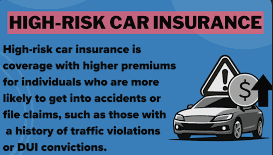
Navigating auto insurance options can feel overwhelming, particularly for those who fall into the high-risk category. This type of insurance is specifically designed for individuals who, due to certain factors, are seen as more likely to file claims. While premiums for high-risk drivers are often higher, these policies provide necessary coverage, ensuring compliance with state laws and protecting drivers financially in case of an accident.
High-risk auto insurance is not a one-size-fits-all solution. Each driver’s situation is unique, and insurance companies use a variety of factors to assess risk and calculate premiums. Understanding how these factors impact your eligibility and rates is an important step toward finding the right coverage. Many insurers offer flexible options to meet the needs of high-risk individuals, making it possible to secure a policy that aligns with both your coverage requirements and budget.
Despite the challenges, the auto insurance market for high-risk drivers has grown to include multiple providers offering competitive pricing and tailored policies. This growth gives high-risk drivers a better chance of finding suitable plans that don’t break the bank. Additionally, some providers offer extra tools and resources to help improve driving habits, which could lead to lower costs over time.
Taking the time to research and compare available options can make a significant difference. For those in high-risk categories, understanding what drives rates and being proactive about addressing risk factors are key elements in making the process of obtaining auto insurance less stressful.
Factors That Make a Driver High-Risk
A driver may be classified as high-risk due to a range of circumstances that signal a higher likelihood of filing insurance claims. A common reason is a history of frequent traffic violations, such as speeding tickets or reckless driving citations, which suggest a pattern of unsafe behavior on the road. Similarly, drivers who have been involved in multiple at-fault accidents are often seen as higher risk due to the financial liability they may pose to insurers.
Driving under the influence of alcohol or drugs is another significant factor that can lead to high-risk classification. These offenses are considered serious violations, often resulting in long-term impacts on a driver’s insurance eligibility and premium costs. Even a single charge can significantly increase the cost of coverage for years.
Inexperience also plays a role in determining risk status. Teen and young adult drivers, who are statistically more likely to be involved in accidents, are frequently labeled as high-risk. Similarly, newly licensed drivers, regardless of age, may face higher premiums due to their lack of driving history. On the other hand, some older drivers may fall into the high-risk category due to concerns about declining reaction times or vision.
Drivers who have experienced lapses in their auto insurance coverage may also face increased scrutiny. Insurers view consistent insurance coverage as a sign of responsible behavior, and any gaps could signal potential reliability issues. Additionally, owning certain types of vehicles, such as sports cars or luxury models, can raise risk levels. High-performance cars are often associated with higher speeds and costlier repairs, making them a red flag for insurers.
Other considerations include credit history in states where it’s allowed to factor into premiums. Poor credit scores are sometimes associated with higher risk and may result in elevated insurance costs. Additionally, drivers who live in areas with high rates of theft, vandalism, or accidents may face higher premiums based on the risk profile of their location.
Each of these factors plays a role in how insurers evaluate the likelihood of claims, leading to varying levels of risk classification.
Top Auto Insurance Providers for High-Risk Drivers
High-risk drivers have access to several reputable auto insurance providers that cater to their specific needs. Progressive is a popular choice due to its broad range of coverage options and discounts, including accident forgiveness and usage-based programs that can help reduce premiums over time. The company also offers online tools to assist drivers in customizing policies based on their individual circumstances.
GEICO is another prominent provider, known for its competitive pricing and willingness to insure drivers with varying risk profiles. High-risk drivers may benefit from GEICO’s discounts for safe driving courses and vehicle safety features, as well as its efficient online platform for managing policies and claims. Additionally, GEICO’s customer service is often praised for being responsive and helpful, making it a strong contender for drivers seeking reliable support.
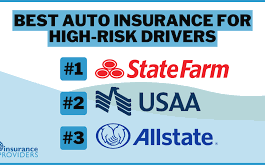
State Farm, one of the largest auto insurers in the U.S., also accommodates high-risk drivers by offering flexible coverage options and personalized service through its extensive network of agents. For those looking to improve their driving habits, State Farm provides programs like Drive Safe & Save, which uses telematics to track driving behavior and reward safe practices with potential premium reductions.

Specialized insurers like The General and National General also focus on providing coverage for high-risk drivers who may struggle to find affordable options with traditional carriers. These companies are known for their flexible underwriting processes and willingness to work with drivers who have complex histories, such as past accidents or lapses in coverage.
Another option to consider is non-standard insurance providers that specifically serve drivers requiring specialized plans. These companies typically offer basic coverage to ensure compliance with state requirements while helping drivers work toward better rates over time. Their focus on high-risk policies allows them to cater to unique circumstances that other insurers may not prioritize.
By exploring these and other providers, high-risk drivers can identify plans that offer a balance between adequate coverage and reasonable premiums.
Tips for Finding Affordable High-Risk Auto Insurance
Securing affordable high-risk auto insurance requires a proactive and informed approach. Start by comparing quotes from various providers, as prices can differ significantly between companies. Make use of online tools and comparison websites to evaluate policies side by side, ensuring you’re getting the most value for your money.
Taking advantage of discounts offered by insurers can also help lower your premiums. Many companies provide incentives for completing defensive driving courses, installing anti-theft devices, or maintaining a vehicle equipped with safety features. These small steps not only improve your safety but can also lead to meaningful savings.
Another strategy is to opt for a higher deductible, which can lower your monthly premium. However, it’s important to ensure you have enough funds set aside to cover the deductible in case of an accident. Adjusting coverage limits to focus on essentials may also help reduce costs without compromising necessary protection.
Review your current insurance plan to identify areas where adjustments can be made. For instance, bundling auto insurance with other policies, such as homeowner’s or renter’s insurance, often results in multi-policy discounts. Additionally, some insurers reward policyholders who set up automatic payments or pay their premiums in full annually rather than monthly.
Drivers with less-than-perfect credit should focus on improving their credit scores, as this is a factor in insurance pricing in many states. Paying bills on time and reducing debt over time can help create a positive impact on your insurance costs.

For those with older or less valuable vehicles, considering liability-only coverage might be a practical option. Comprehensive and collision coverage may not be necessary if the cost to repair or replace the vehicle exceeds its market value.
Working with an experienced insurance agent who understands the needs of high-risk drivers can also make a difference. They can provide personalized recommendations and help you navigate the complexities of choosing the right policy for your situation.
Lastly, stay informed about state-specific programs or insurers that specialize in high-risk policies. These options can provide more flexibility and tailored solutions compared to traditional insurers, ensuring you meet legal requirements while managing costs effectively.
State-Specific Insurance Considerations
Auto insurance requirements differ from state to state, and these variations can significantly affect high-risk drivers. Some states operate Assigned Risk Programs, which are designed to help individuals who may struggle to find coverage through standard insurers. These programs connect high-risk drivers with insurance providers that are required to accept them, though premiums in such cases are often higher than average. Additionally, states may impose specific filing requirements, such as SR-22 or FR-44 certificates, for drivers who have committed serious violations. These certificates serve as proof that the driver holds the necessary amount of insurance, and they must be maintained for a designated period.
Coverage minimums also vary widely, with some states requiring higher liability limits than others. High-risk drivers in states with stricter minimums may face increased costs due to the additional coverage needed to comply with these laws. Certain states, like Michigan, also have unique insurance systems, such as no-fault insurance, which requires drivers to carry personal injury protection (PIP). This can make premiums even higher for those already classified as high-risk.
States that permit the use of credit scores in determining premiums can add another layer of complexity. For high-risk drivers with lower credit scores, this can result in further cost increases. On the other hand, states like California, Hawaii, and Massachusetts prohibit the use of credit history in insurance pricing, which may benefit some high-risk drivers. Furthermore, geographic factors such as population density, traffic congestion, and crime rates can influence premiums differently across regions within the same state.
State-specific programs, such as low-cost auto insurance initiatives, may be available for qualifying drivers in certain locations. For example, California offers a Low-Cost Auto Insurance Program for eligible drivers with limited income. High-risk drivers should also be aware of their state’s grace periods and penalties for lapses in coverage, as these can vary and may affect eligibility for certain policies. Familiarity with these details allows drivers to avoid additional costs or complications.
Conclusion and Future Outlook
For high-risk drivers, the journey to securing the right auto insurance can feel challenging, but with thorough research and a focus on proactive strategies, it is possible to find coverage that balances both cost and protection. By leveraging discounts, exploring flexible policy options, and working with providers experienced in handling high-risk profiles, drivers can take control of their insurance needs despite their classification.
The insurance market for high-risk drivers continues to expand, providing more choices and opportunities for tailored plans. Companies are increasingly offering programs that incentivize safer driving behaviors, such as telematics-based systems, which monitor habits and reward improvements with potential savings. These advancements highlight the importance of remaining open to new technologies and tools that can make insurance both more accessible and affordable over time.
State regulations and localized programs will also continue to play an important role in shaping options for high-risk drivers. Understanding how these factors influence your premiums and available coverage can help you make informed decisions that align with your needs. While some states may offer additional resources or protections, others may have stricter requirements, underscoring the importance of staying informed about any changes that could affect your situation.
Looking ahead, innovations in the auto insurance industry may create new pathways for high-risk drivers to lower costs and improve their overall risk profile. As insurance companies refine their use of data and develop more personalized policies, there may be greater opportunities for drivers to demonstrate improved behaviors and secure more favorable rates. Building a positive insurance history and maintaining consistency in coverage can also contribute to better long-term outcomes.
While high-risk insurance is often associated with higher expenses, adopting practical strategies such as improving credit scores, maintaining a clean driving record, and adjusting coverage levels to fit individual circumstances can make a noticeable difference. Additionally, taking advantage of professional guidance from knowledgeable insurance agents can simplify the process and ensure you’re exploring all available options.
By remaining diligent and proactive, high-risk drivers can navigate the complexities of auto insurance more effectively. Although challenges may arise, ongoing efforts to improve driving habits and stay informed about market trends can pave the way toward better and more affordable insurance solutions in the future.