
Introduction to Life Insurance for Young Adults
Life insurance might not seem like a priority when you’re young and just starting out, but it’s a financial tool that holds value regardless of your stage in life. For those under 30, life insurance provides a layer of financial protection that can make a meaningful difference, even if you don’t have a spouse or children yet. While the most common perception of life insurance revolves around supporting dependents, its benefits extend far beyond that.
Many young adults carry financial obligations like student loans, credit card debt, or car payments. In some cases, these debts may not disappear in the event of your passing and could become a responsibility for co-signers or family members. Having a life insurance policy ensures that those close to you won’t face unexpected financial challenges if something were to happen.

Beyond debts, life insurance can also provide resources to cover end-of-life expenses, such as medical bills or funeral costs, which can otherwise place a heavy burden on grieving loved ones. It’s about taking steps to make sure those who care about you won’t have to shoulder additional stress during an already difficult time.
Another point to consider is that life insurance policies are often more affordable when you’re younger and healthier. Securing coverage early allows you to take advantage of lower premiums and establish a foundation of financial preparedness. This proactive approach helps you put a solid plan in place before life’s responsibilities grow.
Financial Security and Peace of Mind
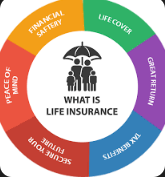
Life insurance offers a sense of stability in moments when life feels uncertain. Young adults often underestimate the importance of preparing for unexpected situations, but having a policy in place can provide much-needed reassurance. With coverage, your loved ones gain a financial safety net that helps them manage expenses without added stress. This can be especially critical if they rely on you in any capacity, whether financially or emotionally.
While many people think life insurance only comes into play after a loss, it’s also a way to protect your financial legacy. Unpaid obligations, such as private student loans or medical bills, can become a significant burden for your family or co-signers. A life insurance policy ensures those debts are managed so that your loved ones won’t have to dip into their own savings to cover them.

Another aspect to consider is the rising cost of end-of-life expenses. Medical treatments, hospital stays, or arrangements for a funeral can add up quickly. Without preparation, these costs may place a strain on the people who care about you most. A life insurance plan ensures these expenses are handled, leaving your family to focus on emotional healing rather than financial challenges. Additionally, some policies provide options for payouts that can help those you care about adjust to financial changes, like paying off rent or handling everyday living expenses.
For those who support a partner, parents, or siblings, life insurance becomes even more valuable. It allows you to offer continued support even when you’re no longer there. Whether it’s helping a partner pay bills, assisting parents nearing retirement, or offering a sibling the resources to achieve their goals, this safety measure demonstrates long-term care for the people in your life.
Having life insurance also means addressing financial uncertainty head-on. While it’s impossible to predict life’s events, you can take action to reduce the potential impact they might have on your loved ones. It’s a simple way to ensure that the people you care about won’t face unnecessary struggles if the unexpected happens. By planning ahead, you’re taking a responsible and thoughtful step toward long-term security.
Benefits of Starting Early
Purchasing life insurance at a younger age provides advantages that extend beyond affordability. When you’re young and in good health, it’s typically easier to qualify for coverage with minimal restrictions. This means you’re more likely to secure a policy without undergoing extensive medical evaluations or facing higher rates due to pre-existing conditions. In contrast, waiting until later in life can make obtaining coverage more challenging and expensive, especially if health issues arise.
By locking in coverage early, you establish a solid financial foundation that can evolve as your needs change. Life insurance policies obtained at a young age can be customized over time to align with new goals, such as starting a family, buying a home, or planning for retirement. The flexibility of many policies allows for adjustments, giving you the ability to scale up your coverage as your financial responsibilities grow.

Additionally, starting young can also be advantageous for those interested in permanent life insurance. Policies like whole life or universal life come with a cash value component that accumulates over time. Beginning this process early allows the cash value to grow significantly, offering potential financial benefits that can be accessed later in life. This added value can be used to supplement retirement income, fund major purchases, or even serve as a financial safety net during emergencies.
Another benefit of early enrollment is the ability to lock in long-term stability for your family or loved ones. As your life evolves, you may take on new responsibilities, such as supporting a partner or helping aging parents. Securing life insurance now ensures you’ll have a plan in place to address these potential future needs without worrying about increased costs or eligibility issues down the road.
For young adults focused on career growth or achieving financial independence, life insurance provides a way to complement other financial planning strategies. It works alongside savings accounts, investments, and retirement plans to offer a well-rounded approach to managing your financial future. Starting early allows you to integrate life insurance into your broader financial goals, helping you create a safety net that grows with you.
Coverage Options and Flexibility
When exploring life insurance options, understanding the different types of policies can help you find one that aligns with your priorities and financial situation. The two main categories to consider are term life insurance and permanent life insurance, each with its own set of benefits and purposes.
Term life insurance is designed to provide coverage for a set period, making it a popular choice for young adults who want affordable and straightforward protection. Policies typically range from 10 to 30 years, and the premiums are often fixed for the duration of the term. This type of coverage is ideal for individuals who want to ensure financial security during specific life stages, such as paying off student loans, covering a mortgage, or providing for loved ones while building savings. Because of its simplicity and affordability, term life insurance is often the starting point for younger individuals who are beginning to think about long-term financial planning.

For those who prefer a policy that offers lasting coverage, permanent life insurance might be a better fit. This category includes options such as whole life and universal life insurance. Unlike term policies, permanent life insurance remains active for your entire life as long as premiums are paid, offering consistent protection without an expiration date. One key advantage of permanent life insurance is the cash value component, which grows over time and can be accessed during your lifetime. This accumulated value can be used for various purposes, such as supplementing retirement income, funding large expenses, or providing an emergency reserve. However, these policies tend to have higher premiums compared to term life insurance, so it’s essential to weigh the long-term benefits against your current budget.
Flexibility is another important factor when selecting a life insurance policy. Many plans allow you to adjust the coverage amount or payment structure as your needs evolve. For example, you might initially choose a term policy to cover a specific timeframe, such as while paying off a debt, but later decide to convert it into a permanent policy for lifelong protection. Some policies even offer riders, which are add-ons that enhance the coverage to address unique needs. Common riders include options for accelerated benefits, additional coverage for a spouse or child, or the ability to waive premiums in the event of disability. These features make it possible to tailor a policy to your personal circumstances, ensuring that your coverage remains relevant as your life changes.

It’s also worth considering the potential for life insurance to work as part of a broader financial strategy. For instance, if you’re planning to invest in permanent life insurance, the cash value component can complement other savings or investment accounts, giving you an additional layer of financial stability. Similarly, term insurance can be integrated into your planning to provide affordable protection while you focus on building other assets, such as retirement funds or property.
Ultimately, life insurance offers a range of options to suit varying lifestyles and goals, allowing you to make informed decisions based on your unique situation. Evaluating your priorities, financial commitments, and long-term plans can guide you toward a policy that fits seamlessly into your overall approach to financial well-being.
Debunking Myths About Life Insurance
There are several misunderstandings surrounding life insurance that often prevent young adults from considering it as a part of their financial strategy. One common belief is that life insurance is a complicated product that requires extensive knowledge to navigate. In reality, many policies are straightforward and designed to meet different financial needs. Term life insurance, for example, offers a simple and affordable option for those who want coverage for a specific period. Understanding the basics of how policies work and comparing options can make the process much easier than it might initially seem.

Another misconception is that life insurance only provides value later in life or for individuals with significant wealth. However, life insurance serves a practical purpose at any stage. For young adults, securing a policy early can offer long-term financial advantages, such as locking in lower premiums and protecting against unexpected financial burdens. It’s not about how much money you currently have but about ensuring you’re prepared for the unexpected.
Some people mistakenly think that workplace-provided life insurance is sufficient. While employer-sponsored coverage is a great benefit, it often offers limited protection. These policies may only cover a small portion of what’s needed to handle financial obligations or support loved ones in the event of a loss. Additionally, such coverage typically doesn’t follow you if you switch jobs. Having an individual policy ensures you’re protected regardless of employment changes.
There’s also a notion that only older adults with families need life insurance. While it’s true that supporting dependents is a common reason to get coverage, life insurance can also address other important responsibilities. Many young adults carry private student loans or other debts that could become a financial burden for co-signers. A policy helps protect family members or loved ones from having to manage these obligations during a difficult time.
Finally, some people view life insurance as an unnecessary expense, particularly when money is tight. However, delaying the decision to purchase coverage can result in higher costs in the future. Premiums tend to increase as you age or if health conditions develop, making it more expensive or harder to qualify later. Starting early ensures that you secure affordable coverage now, potentially saving you money over time.